
Editorials
Parading Stars alone isn’t Enough – The harsh reality facing Nigerian Football

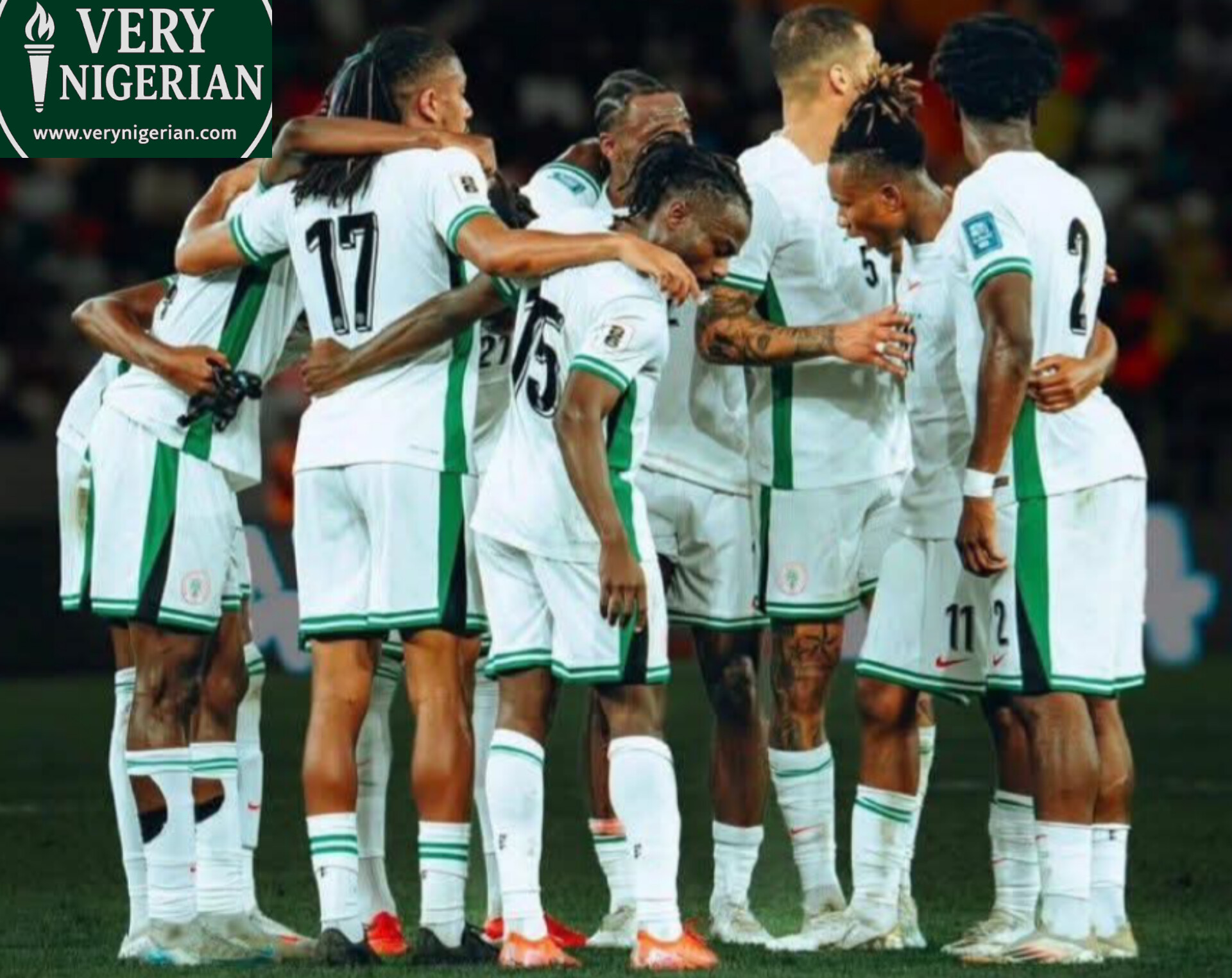
Nigeria’s exit from the 2026 FIFA World Cup qualifiers on Sunday night is more than another painful defeat, it is a deep wound that cuts into the heart of Nigerian football.
The Super Eagles’ failure to qualify after a 4-3 penalty shootout loss to DR Congo has pushed the country into its darkest period in three decades, raising urgent questions about the state of the game, from administration to mentality, to technical direction.
A nation that once walked into World Cups with confidence is now watching from the sidelines for the second time in a row.
For a football-loving country like Nigeria, this is more than a sporting failure, it is a national setback.
Nigeria took an early lead through Frank Onyeka, but as the match dragged on, the gaps in teamwork, discipline and mental strength became impossible to hide.
DR Congo grew into the game, forced an equaliser, and eventually pushed the tie into extra time and then penalties, a stage where Nigeria’s weaknesses became painfully obvious.
Three missed penalties summed up more than a night of poor execution; they exposed a deeper problem with confidence, preparation and psychological readiness.
Even before the players stepped forward for their kicks, the tension in the Nigerian camp was visible.
DR Congo’s calmness contrasted sharply with the nervousness in Nigeria’s ranks.
Victor Osimhen’s injury at halftime turned a difficult match into a near-impossible one.
Without him, Nigeria looked blunt, uncertain, and unable to break down a determined DR Congo defence.
His absence revealed how heavily the team depends on individuals rather than a clear system or collective identity.
Beyond the players, the defeat is a harsh verdict on the Nigerian football structure.
From unpaid bonuses to administrative chaos, poor planning, and questionable technical decisions, the Super Eagles carried too many problems into a match of this magnitude.
The issues that remained hidden during the semi-final win over Gabon resurfaced violently when it mattered most.
This failure has deeper consequences. Nigeria will now miss consecutive World Cups for the first time since 1994, a period that once marked the rise of a golden generation.
Today, the story is painfully different: lost confidence, declining standards, and a national team struggling to find its rhythm.
While DR Congo celebrate a night of courage and resilience, Nigeria is left to reckon with the reality of a football system in decline.
The world has moved forward; Nigeria has remained stagnant, relying on talent alone while ignoring the foundations needed to build a winning national team.
The loss in Rabat is not just about missing a tournament, it is a reminder that Nigerian football cannot continue on this path. Something fundamental must change.
The players, coaches, and administrators will now face a wave of questions from millions of fans who expected more, demanded more, and believed Nigeria would rise after failing to reach the 2022 World Cup.
Instead, the Super Eagles have crashed harder than ever before.
For now, the question hangs heavily: Where does Nigerian football go from here?.


 Follow Us on Google Discover









NUJ FCT Chairman celebrates brother Emeka on 40th birthday, commends his advocacy for Women’s rights

BREAKING: DSS arraigns five suspects over abduction of 20 Prospective Corps Members in Imo

Nigeria would have gone bankrupt without fuel subsidy removal — Tinubu

Big blow for PDP as 21 LG chairmen, 226 councillors defect to APC in Adamawa

‘Life is better in Egypt’ – Rufai knocks Tinubu over fuel subsidy comment

Sanwo-Olu names Hassan Sanuth as new LAWMA MD

Petrol subsidy return could crash naira to N4,000/$ – Oyedele warns

Rivers Assembly reinstates three lawmakers after appeals

NLC upholds two-week ultimatum to FG over petrol prices, wage talks

BREAKING: Tinubu extends tenure of NCoS, Immigration service chiefs until 2028

Portugal hands Ronaldo 30-Day suspension, €255 fine for walking out of camp

Wike’s son Jordan dragged to EFCC over alleged $2.1m land fraud

Subsidy removal is here to stay, ‘we will never go back to Egypt’ – Tinubu

If Buhari a General could not end insecurity, you cannot blame Tinubu – Yari

Sanwo-Olu reportedly demands LAWMA boss’ resignation over mounting refuse in Lagos

BREAKING: Former Delta Governor Emmanuel Uduaghan is dead

‘₦29,000 Cannot sustain a retired officer’ — Atiku challenges Tinubu on police pensions, proposes initiative

Bauchi NDC governorship candidate Ibrahim Kashim resigns from party

Eight Nigerian Soldiers killed as ISWAP landmine hits Army patrol vehicle in Borno

2027: Tinubu must be stopped, ‘even Buhari saw him as bad news’ — Hakeem Baba-Ahmed

2027: “Which North? North Korea or North Carolina?” Nigerians mock politicians promising Tinubu Northern votes

FG defends fiscal reforms as World Bank flags ₦7.7tn debt interest

“I saw Akpabio at the State House begging Tinubu to keep his position” — Jake Epelle

FG to introduce fuel taxes when economy stabilises, Oyedele says

Wike, Akpabio, Uzodimma: Unity at the podium, rival ambitions behind the Scenes? can Tinubu keep his associates together?

Catholic priest dies after Jesus’ statue falls on him during mass in Ecuador (video)
Subsidy removal is here to stay, ‘we will never go back to Egypt’ – Tinubu

FG makes u-turn on recruitment waivers for varsities, clarifies approval process

Gregory University founder Gregory Ibe dies at 63
