
News
2027: Campaign posters spark fresh dispute between Benue govt, PDP

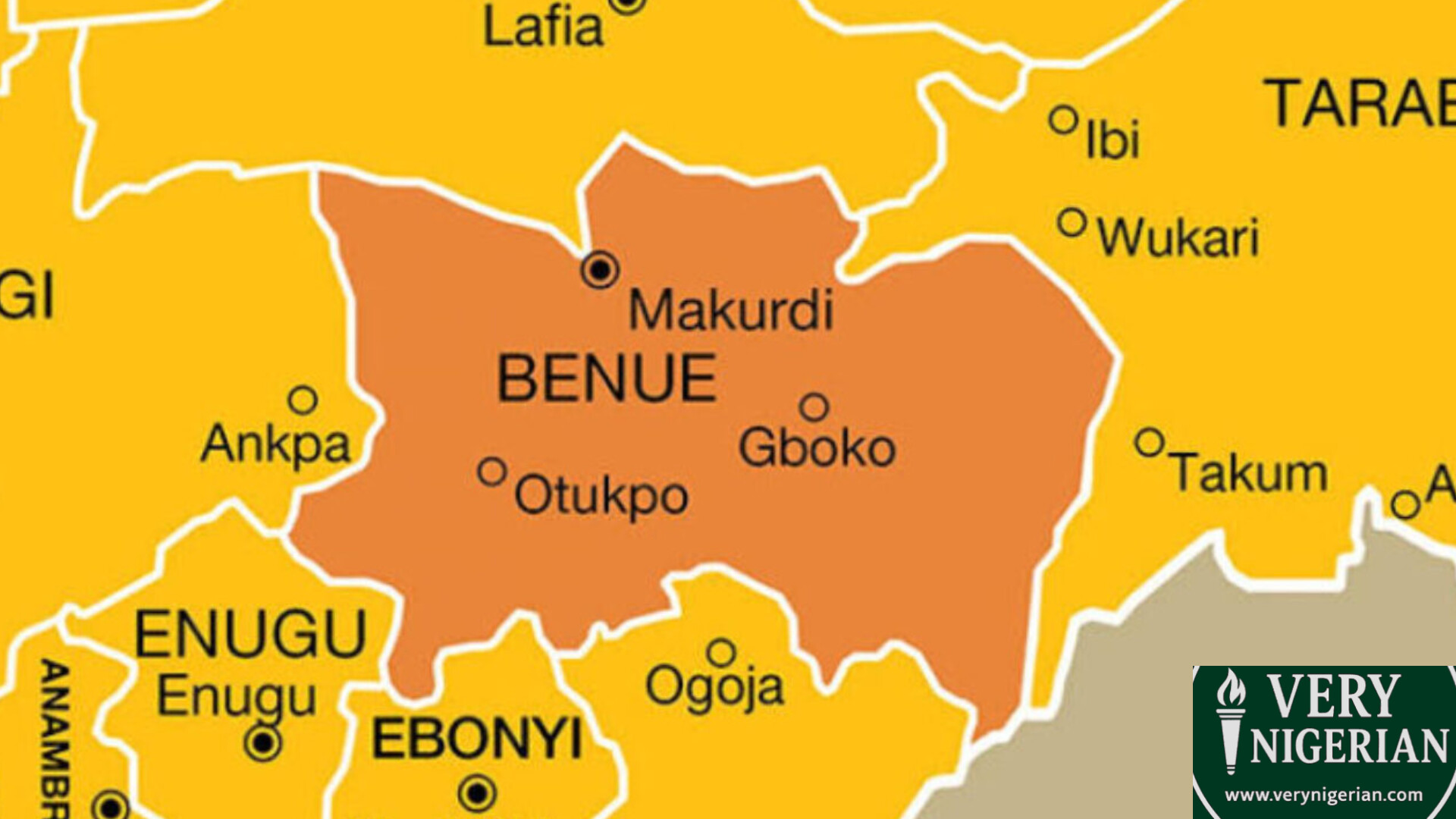
The Benue State Environmental Sanitation Authority (BENSESA) has warned political parties, candidates and campaign groups against erecting billboards or putting up campaign posters without approval across the state.
The warning was contained in a notice dated September 3, 2026, and signed by BENSESA General Manager, Mr Anta Igbaato.
The agency said the indiscriminate erection of billboards and pasting of campaign materials could create environmental nuisance. It therefore urged political actors to obtain the required approval before placing campaign materials in public or private spaces.
However, the directive has sparked a reaction from the opposition Peoples Democratic Party (PDP), which accused the administration of Governor Hyacinth Alia of trying to restrict opposition activities ahead of the 2027 general elections.
The PDP’s reaction has added a political dimension to the environmental agency’s directive, with the opposition expressing concern over how the enforcement could affect campaign activities ahead of the elections.
The authority said its directive was backed by Section 14(a) of the BENSESA Law 2005, which provides that: “No person shall paste any handbill, poster, notice, sign or advertisement on any street, public or private property without the permission of the Authority.”
According to the agency, Section 14(b) of the law empowers it to “remove, deface or destroy any notice, handbill, sign, advertisement or poster erected or pasted without the approval of the Authority,” warning political parties and candidates to comply with the law.
BENSESA further stated that parties seeking to erect campaign billboards must obtain approval for their proposed locations, stressing that Section 15 of the law makes it the “full custodian of all Road Setbacks within the State.”
It therefore directed political parties and campaign organisations to obtain its permission before pasting posters and handbills or erecting billboards, adding that failure to do so would attract enforcement action in line with the provisions of the 2005 law.
However, the opposition Peoples Democratic Party, PDP, in its reaction, accused the administration of Governor Hyacinth Alia of using BENSESA to suppress opposition political activities ahead of the 2027 general elections.
The PDP, in a statement by its State Publicity Secretary, Bright Antyo, described the directive as “anti-democratic” and a “threat to free political participation,” saying it could be used to frustrate opposition parties from communicating with voters.
The party said: “While we support environmental sanitation and orderly urban development, we reject any attempt to use a government agency as a political tool to frustrate legitimate political engagement and freedom of expression guaranteed under the Constitution of the Federal Republic of Nigeria, 1999 (as amended).”
The PDP also questioned the timing of the directive, arguing that it came when political parties were preparing to engage the electorate ahead of the 2027 elections. It alleged that the discretionary powers granted to BENSESA could be abused to favour the ruling party while restricting opposition candidates.
“Democracy thrives on a level playing field, not on selective regulations designed to confer undue advantage on those in power,” the party said, urging Governor Alia to reverse what it described as an “ill-advised directive.”
The PDP subsequently called on INEC, civil society organisations, the media, security agencies and other stakeholders to monitor developments in the state, insisting that the 2027 elections must be conducted in an atmosphere of fairness, openness and equal opportunity for all contestants.


 Follow Us on Google Discover








Eniola Badmus moves to end rift with Laide Bakare after backlash

NUJ FCT Chairman celebrates brother Emeka on 40th birthday, commends his advocacy for Women’s rights

BREAKING: DSS arraigns five suspects over abduction of 20 Prospective Corps Members in Imo

Nigeria would have gone bankrupt without fuel subsidy removal — Tinubu

Big blow for PDP as 21 LG chairmen, 226 councillors defect to APC in Adamawa

‘Life is better in Egypt’ – Rufai knocks Tinubu over fuel subsidy comment

Sanwo-Olu names Hassan Sanuth as new LAWMA MD

Petrol subsidy return could crash naira to N4,000/$ – Oyedele warns

Rivers Assembly reinstates three lawmakers after appeals

NLC upholds two-week ultimatum to FG over petrol prices, wage talks

BREAKING: Tinubu extends tenure of NCoS, Immigration service chiefs until 2028

Portugal hands Ronaldo 30-Day suspension, €255 fine for walking out of camp

Wike’s son Jordan dragged to EFCC over alleged $2.1m land fraud

Subsidy removal is here to stay, ‘we will never go back to Egypt’ – Tinubu

If Buhari a General could not end insecurity, you cannot blame Tinubu – Yari

BREAKING: Former Delta Governor Emmanuel Uduaghan is dead

‘₦29,000 Cannot sustain a retired officer’ — Atiku challenges Tinubu on police pensions, proposes initiative

Bauchi NDC governorship candidate Ibrahim Kashim resigns from party

Eight Nigerian Soldiers killed as ISWAP landmine hits Army patrol vehicle in Borno

2027: Tinubu must be stopped, ‘even Buhari saw him as bad news’ — Hakeem Baba-Ahmed

2027: “Which North? North Korea or North Carolina?” Nigerians mock politicians promising Tinubu Northern votes

FG defends fiscal reforms as World Bank flags ₦7.7tn debt interest

FG to introduce fuel taxes when economy stabilises, Oyedele says

“I saw Akpabio at the State House begging Tinubu to keep his position” — Jake Epelle

Wike, Akpabio, Uzodimma: Unity at the podium, rival ambitions behind the Scenes? can Tinubu keep his associates together?
Subsidy removal is here to stay, ‘we will never go back to Egypt’ – Tinubu

Gregory University founder Gregory Ibe dies at 63

Real reason we removed universities from IPPIS, recruitment waiver – FG

‘Nigeria cannot become prosperous in four years’ — Tinubu’s Economic Adviser says
