
News
South Africa rejects Nigeria’s compensation request over Xenophobia losses


The South African government has turned down Nigeria’s request for compensation for citizens who abandoned their businesses and properties while fleeing the latest wave of xenophobic attacks in the country.
The Nigerian government had earlier announced plans to compile details of businesses, properties and other valuables left behind by affected citizens. The exercise was expected to form the basis of discussions with South African authorities on possible compensation.
Earlier this week, Nigeria’s Acting High Commissioner to South Africa, Temitope Ajayi, disclosed that the Federal Government had started documenting the losses suffered by Nigerians affected by the attacks as part of efforts to pursue compensation.
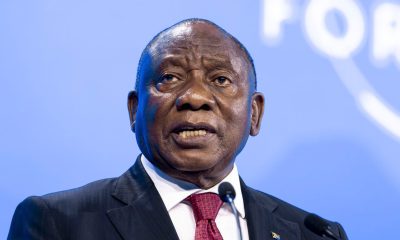
However, South Africa’s Minister in the Presidency, Khumbudzo Ntshavheni, dismissed the proposal during a press conference on Friday, insisting that the government would not compensate anyone for properties left behind.
According to Ntshavheni, legally owned properties are officially registered with relevant authorities and can be sold through the country’s property market, while structures in informal settlements are illegal and therefore not recognised as legitimate property.
“We’ll be interested to know where the drug dens of Nigerians are. So they can show us where they have been holding the drugs so that we can clean the drugs in South Africa quite urgently,” she said.
“Squatter camps and informal settlements are never properties because they are illegal in the country. So you are already violating our law if you are going to tell us about a shack in some informal settlement.”
She added: “So there’s no compensation that will come from government. Those who leave their properties, if they are properly legally registered in the country, they can dispose of the properties in the property market in South Africa — whether it’s movable or immovable property. And we are going to seriously appreciate being told where the drug dens are.”
Ntshavheni also disclosed that the South African government had approved new measures to prevent the re-establishment of informal settlements after they are demolished.
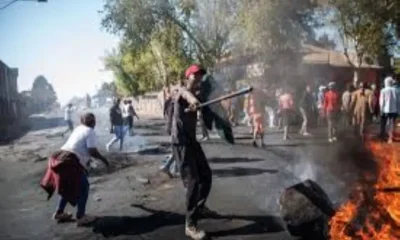
The latest development follows renewed xenophobic violence targeting African migrants in South Africa, which forced many Nigerians to leave the country amid concerns over their safety.


 Follow Us on Google Discover








Insecurity: Tinubu hold crucial meeting with defence Minister Musa in Lagos

Military aircraft crash: Tinubu declares three-day national mourning

Nigeria vs Russia: Date, time, venue where to stream

2027: 58 deregistered parties back Tinubu, Sokoto gov Aliyu

SSANU threatens University shutdown over unpaid arrears, gives FG 14 days deadline

Niger tragedy: Shettima announces N250m support for families dead miners

JAMB to establish UTME Centre in Canada for Nigerians in North America from 2027

Rivers govt shut down 21 health facilities over alleged child trafficking

Abiy Ahmed reappointed Prime Minister of Ethiopia

BREAKING: 32 persons were on board says FG, as NAF confirms ownership of crashed aircraft

2027: INEC to begin PVC distribution October 8

Shettima arrives Niger, visits families of NSCDC custodial death victims

2027: ‘He betrayed APGA’ – Anambra govt tells electorate to reject Obi, NDC

Ondo APC names 228-member campaign council for Tinubu’s 2027 re-election

BREAKING: Many feared dead as suspected Military Helicopter crashes in Ondo
BREAKING: Many feared dead as suspected Military Helicopter crashes in Ondo
BREAKING: 32 persons were on board says FG, as NAF confirms ownership of crashed aircraft

Tinubu meets Uzodinma in Lagos amid rift with Wike’s Rainbow Coalition – Details Emerge

‘I warned El-Rufai to go on exile or they would jail him’ — Buba Galadima
2027: ‘He betrayed APGA’ – Anambra govt tells electorate to reject Obi, NDC

Nine Zamfara lawmakers join ADC after dumping APC

JUST IN: Kidnappers torture 20 corps members, demand N5m ransom each

Panic as fuel tanker catches fire, destroys shops, vehicles in Cross River

2027: Anxiety mounts as INEC awaits Supreme Court judgment on party membership rules

BREAKING: 8 Zamfara Assembly members dump APC

BREAKING: Temi Nkem wins BBNaija Season 11 ‘Show Ya Sef’

2027: PDP begins Anambra South campaign, vows to reclaim senate seat

‘Tinubu saved Nigeria from economic collapse, be generous to him’ – VP Shettima

Meet Temi Nkem, winner of BBnaija season 11
